Haitian Zombies Folklore (1600s–1700s Origins) 🧟♂️🌙
Ohhhhhh lock your doors, blow out the candles, and maybe keep an eye on your neighbor’s spice cabinet, because tonight we’re not talking about shotgun-fodder Walking Dead extras. Nope. We’re going back to where the word zombie actually came from — Haiti. Be warned ⚠️, this isn’t gore and brains… this is slavery, sorcery, and the kind of nightmare that doesn’t stop after death.
—
Where it all began
Haiti is a Caribbean nation, and back in the 1600s–1700s it was colonized by the French. Enslaved Africans were forced to work on sugar plantations in brutal, inhuman conditions. And here’s where the horror takes root: death was supposed to be your only escape. But imagine finding out not even death could free you. Enter the zombie. A sorcerer — called a bokor — could reanimate your body, strip away your soul, and make you keep working. Basically, eternal unpaid overtime.
—
Creepy early stories
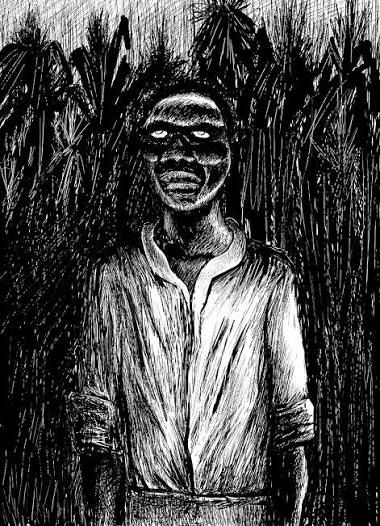
Felicia Felix-Mentor (1936): She was said to have died in 1907, but decades later villagers swore she was wandering around blank-faced, mute, and not really “there.” Imagine bumping into someone who died thirty years ago… not exactly small talk material.
Clairvius Narcisse (1962): Declared dead, buried, mourned. Eighteen years later, he walks back into his village claiming he’d been paralyzed by powders, dug up, and forced to work on a plantation with other “zombies.” He only got free when the sorcerer died. That’s the kind of story that’ll keep you checking your pulse at night.
—
When the world caught on
1929 – The Magic Island by William Seabrook spreads “zombie” to English audiences.
1932 – White Zombie (Bela Lugosi) drops zombies into Hollywood for the first time.
1968 – Romero’s Night of the Living Dead rewrites the whole thing into flesh-eating apocalypse monsters. From then on, Haitian lore got buried under buckets of fake blood.
—
Why I find Haitian zombies more fascinating than modern ones
Modern zombies? Oversaturated. They’re everywhere — movies, TV, video games, probably someone’s weird wedding theme. Haitian zombies, though, are scarier. They’re not about brains and guts. They’re about losing yourself, your identity, and even your soul. It’s a personal nightmare, not a horde coming over the hill.
That’s why I kinda prefer Haitian zombies over modern ones: they feel more tragic, more real, and way more haunting.
—
Side by side: Haitian Zombies vs. Modern Zombies
Haitian Zombies Modern Zombies
Controlled by sorcerers (bokors) Created by viruses, radiation, science accidents
Soulless workers, no free will Hungry corpses chasing brains
Rooted in slavery & oppression Rooted in apocalypse fears
Horror is personal — you could become one Horror is mass destruction
Eerie, tragic, quiet Loud, gory, in your face
—
Hollywood vs. the roots
The Haitian zombie was never about blood and guts. It was about the fear that even the grave couldn’t save you from chains. Hollywood tossed that out and replaced it with machetes, exploding heads, and bad CGI. Entertaining? Sure. But compared to the original lore, it’s basically diet horror.
—
So yeah — next time you see another zombie shooter or TV show, remember: before the endless hordes, the machetes, and the walking corpses… the zombie started in Haiti. Not as a monster chasing you. But as you, robbed of your soul, forced to keep working forever.

 Judicious Jarrod's Every-Flavor Entertainment and Media Reviews